When it comes to the safety of your home, office, or vehicle, trusting just anyone with your locks can be a huge mistake. Locksmiths hold the keys, literally and figuratively, to your property’s security. That’s why it’s crucial to understand the importance of hiring a licensed locksmith. This guide will explain why professional licensing matters, the risks of using unlicensed individuals, and how to ensure you’re making the right choice.
Understanding the Role of a Licensed Locksmith
A licensed locksmith is a trained, certified, and legally recognized professional who specializes in securing and accessing properties safely. Unlike unlicensed individuals, a licensed locksmith has met strict requirements, which usually include background checks, formal training, and state or local certification.
Licensed locksmiths offer a wide range of services, such as:
- Residential lock installation and repair
- Commercial lock and security system services
- Automotive lockout assistance and key replacement
- Safe and vault installation and maintenance
- Emergency lockout services
These professionals not only have technical skills but also adhere to legal and ethical standards that protect customers from fraud and security breaches.
The Dangers of Hiring an Unlicensed Locksmith
Hiring an unlicensed locksmith might seem convenient or cheaper, but it comes with serious risks. Some of these include:
- Lack of proper training. Unlicensed locksmiths may not understand complex locking systems, which can lead to damage to doors, locks, or vehicles.
- Security risks. Your home or business security may be compromised if someone with insufficient skills or ill intent gains access.
- No accountability. Licensed professionals are bound by state laws and ethical standards. Unlicensed individuals have no legal obligation to follow these rules.
- Potential for fraud. Unlicensed locksmiths may overcharge, use substandard materials, or even create duplicate keys without your consent.
- Void warranties. Many lock manufacturers only honor warranties if installation or repairs are done by certified professionals.
By hiring a licensed locksmith, you mitigate these risks and ensure that your security is in responsible hands.
How Licensing Protects You and Your Property
Licensing exists to protect both consumers and locksmiths. Here’s how it benefits you:
1. Background Verification
Most states require locksmiths to undergo criminal background checks as part of their licensing process. This reduces the likelihood of hiring someone with a history of theft or fraud, giving you peace of mind that your property is in safe hands.
2. Professional Standards for Licensed Locksmiths
Licensed locksmiths must adhere to industry standards and codes of practice. This ensures consistent quality in service, whether it’s replacing a simple lock or installing a high-security access system.
3. Legal Recourse When Hiring a Licensed Locksmith
If something goes wrong, licensed locksmiths are accountable. You can report violations to licensing boards or consumer protection agencies, and the professional could face fines or lose their license. Unlicensed individuals leave you with little to no legal recourse.
4. Continuing Education for Licensed Locksmiths
Many licensing programs require locksmiths to take periodic training to stay updated on new technology, such as smart locks, biometric systems, and advanced key systems. This ensures that licensed locksmiths can handle modern security challenges safely.
Recognizing a Licensed Locksmith
Finding a licensed locksmith doesn’t have to be complicated. Here are some tips:
- Check credentials: Always ask for a license number or certification. Verify it with your state or local licensing authority.
- Look for affiliations: Membership in professional organizations like the Associated Locksmiths of America (ALOA) often indicates a commitment to high standards.
- Read reviews: Online reviews and testimonials can give insight into the reliability and professionalism of the locksmith.
- Ask about insurance: Licensed locksmiths usually carry liability insurance, which protects you in case of accidental damage.
The Cost of Hiring a Licensed Locksmith versus an Unlicensed One
Hiring a licensed locksmith may indeed cost more upfront. However, the value of professional service far outweighs the initial expense. Consider the potential costs of hiring an unlicensed locksmith:
- Broken locks or doors requiring replacement
- Re-keying entire homes or offices due to security breaches
- Lost or stolen keys leading to theft
- Voided warranties on high-end lock systems
In the long run, a licensed locksmith saves money by ensuring the job is done the first time correctly.
Licensed Locksmiths for Residential Security
Home security is one of the most common reasons people hire locksmiths. A licensed locksmith can:
- Install high-security deadbolts and smart locks
- Re-key locks after moving into a new home
- Repair or replace malfunctioning locks
- Install security systems integrated with locks
Homeowners benefit from the knowledge and experience of licensed professionals, reducing the risk of burglary or accidental lock damage.
Case Example:
Consider a homeowner who recently moved into a new house. They hired an unlicensed locksmith to re-key the locks and later discovered that several doors were still vulnerable due to improper installation. After switching to a licensed locksmith, the homeowner not only received properly installed locks but also a consultation on additional security measures like window locks and a smart door system. This example shows how licensed professionals provide long-term security solutions, not just temporary fixes.
Licensed Locksmiths for Commercial Security
Businesses face unique security challenges, from controlling access to protecting sensitive information. A licensed locksmith can provide:
- Master key systems to manage employee access
- Electronic access control solutions
- Panic bars and exit devices installation
- High-security lock upgrades
- Emergency lockout services for offices and facilities
Using a licensed locksmith ensures that your commercial property complies with local regulations and industry standards.
Benefits for Business Owners
- Reduced risk of employee theft: Master key systems allow selective access.
- Compliance with safety codes: Licensed locksmiths ensure your property meets fire and safety regulations.
- Minimized downtime: Quick response to lockouts and malfunctions keeps operations running smoothly.
Automotive Services by Licensed Locksmiths
Locked out of your car? A licensed locksmith can help without causing damage. Services include:
- Car lockouts
- Key duplication and replacement
- Ignition repair or replacement
- Transponder key programming
- Broken key extraction
Unlicensed individuals may damage your vehicle or make improper keys, causing expensive repairs.
Real Life Example:
A resident locked their keys inside their vehicle late at night. They first called an unlicensed provider who damaged the car door and could not open the lock. They then called a licensed locksmith, who safely opened the car and provided a replacement key. The resident saved money on potential repairs and gained confidence in professional service.
Emergency Locksmith Services by Licensed Locksmiths
Lockouts and other urgent security issues require immediate attention. Licensed locksmiths are trained to respond quickly and efficiently without compromising safety. They often offer 24/7 services for:
- Residential emergencies
- Commercial emergencies
- Automotive emergencies
Having a trusted licensed locksmith on speed dial ensures peace of mind in unexpected situations.
Advanced Security Solutions Require Expertise
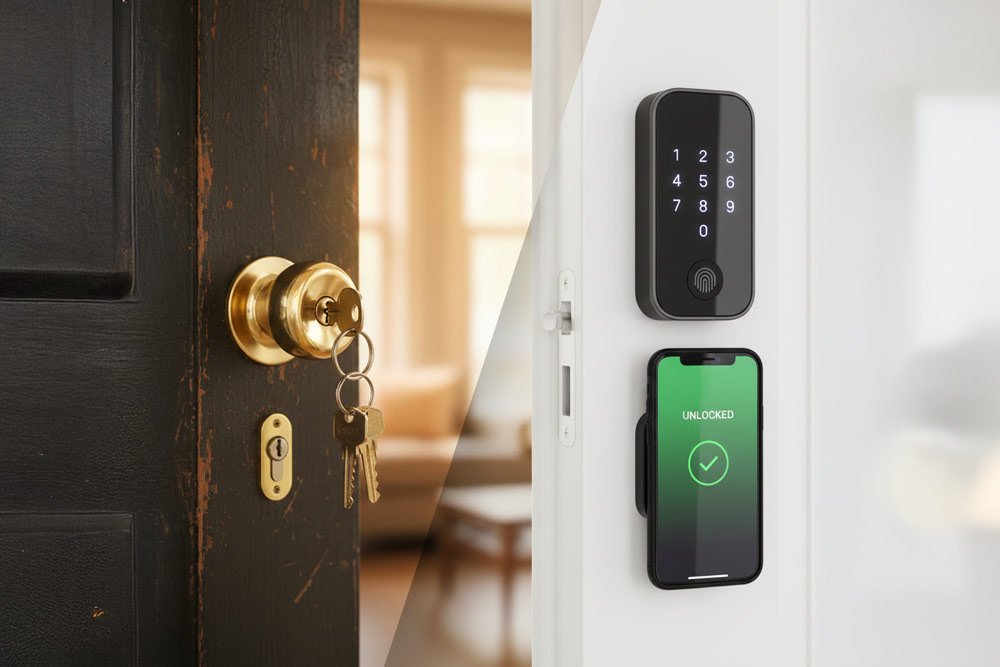
Modern locks and security systems are increasingly sophisticated. From smart locks to biometric scanners, these systems require expertise to install and maintain. Licensed locksmiths receive training on:
- Smart locks and digital keypads
- Biometric security systems
- CCTV and integrated security systems
- High-security lock mechanisms
Attempting DIY installation or using unlicensed personnel can void warranties, compromise security, and lead to costly mistakes.
Smart Home Integration
A licensed locksmith can also help integrate locks with smart home systems, allowing remote access, automated locking, and alerts for unauthorized entry. This modern approach increases both convenience and security, something unlicensed individuals often cannot handle.
Steps to Confirm a Licensed Locksmith
Before hiring any locksmith, take these steps to verify legitimacy:
- Ask for the license number: Most states provide a unique license number for verification.
- Check online databases: Many states maintain online portals to confirm active licenses.
- Request proof of insurance: Liability insurance indicates professionalism.
- Look for certification: Certifications from reputable organizations add credibility.
Taking these steps ensures that the locksmith you hire is qualified and trustworthy.
Common Myths About Licensed Locksmiths
There are misconceptions that licensed locksmiths are too expensive or that any locksmith can do the job. Let’s debunk these myths:
- Myth 1: Licensed locksmiths are always expensive – While rates may be higher than unlicensed providers, the quality, security, and accountability you receive are well worth the investment.
- Myth 2: Locksmiths are interchangeable – Locks vary widely in complexity. Only licensed professionals have the knowledge and tools to handle advanced systems safely.
- Myth 3: DIY or unlicensed services are safe – Mistakes from untrained individuals can compromise security and lead to expensive repairs.
Understanding these myths helps homeowners and business owners make informed decisions.
The Legal Implications of Hiring an Unlicensed Locksmith
Hiring an unlicensed locksmith isn’t just risky; it can be illegal. Some states impose fines or criminal charges on individuals performing locksmith services without a license. Moreover, if an unlicensed locksmith causes property damage, you may have no legal recourse, leaving you responsible for the costs. Licensed locksmiths protect you from these legal liabilities.
How Licensed Locksmiths Stay Updated
The locksmith industry is constantly evolving. Licensed locksmiths are required to stay current with:
- New locking technologies
- Cybersecurity integration with digital locks
- Fire and safety codes for commercial buildings
- Innovations in automotive key systems
This ongoing education ensures that clients receive modern, effective, and secure solutions.
Tips for Choosing the Right Licensed Locksmith
- Verify credentials: Always confirm the license and certifications.
- Check experience: Look for professionals with experience in the specific service you need.
- Ask about warranties: Licensed locksmiths often provide guarantees on work performed.
- Request an estimate: Ensure transparent pricing before work begins.
- Read reviews and testimonials: Feedback from previous clients can indicate reliability and professionalism.
- Ask about emergency services: Knowing your locksmith is available during emergencies can save time and stress.
Conclusion:
Your property’s security is too important to leave in untrained hands. Hiring a licensed locksmith ensures that the work is done correctly, efficiently, and legally. From residential lockouts to complex commercial security systems, licensed professionals provide peace of mind, quality workmanship, and protection against risks associated with unlicensed providers.
Investing in a licensed locksmith is not just about convenience; it’s about safeguarding your home, business, and loved ones. When you need a trusted professional, Master of Locks locksmith service offers reliable, fast, and expert solutions tailored to your security needs. The next time you need a lock repaired, installed, or replaced, remember that licensing is a mark of trust, expertise, and accountability.