Choosing the right security for your home influences safety, convenience, daily routines, and even long-term property value. The debate between smart locks vs traditional locks has become a major part of modern homeownership, especially with the growing demand for smart homes and improved security systems. While both lock types aim to protect belongings, they deliver entirely different experiences. So, which one fits your lifestyle? This in-depth guide breaks down features, costs, usability, benefits, limitations, and real-life use cases to help you make a confident decision.
Introduction to Smart Locks vs Traditional Locks
The decision between smart locks vs traditional locks is more than choosing a lock that looks nice at your doorway. Traditional locking systems have provided security for generations through mechanical keys. Smart locks bring new levels of automation, digital access, and control from anywhere. Modern homeowners often debate whether technology is worth replacing long-trusted metal keys. Others want convenience and remote access without losing reliability.
Understanding the differences forms the foundation for making the right choice. Below is a closer look at the basics.
What is a Traditional Lock?
A traditional lock is any mechanically operated lock that opens using a physical key. Common examples include:
- Pin tumbler cylinder locks
- Deadbolt locks
- Mortise locks
- Padlocks
Most homeowners use cylinder locks and deadbolts because they are widely available, affordable to install, and simple to use.
Key characteristics of traditional locks include:
- Physical key access
- Mechanical construction
- Minimal maintenance
- Basic installation
- Long-lasting hardware
Traditional locks are standard on most residential doors and remain a dominant choice for individuals who prefer simplicity.
What is a Smart Lock?
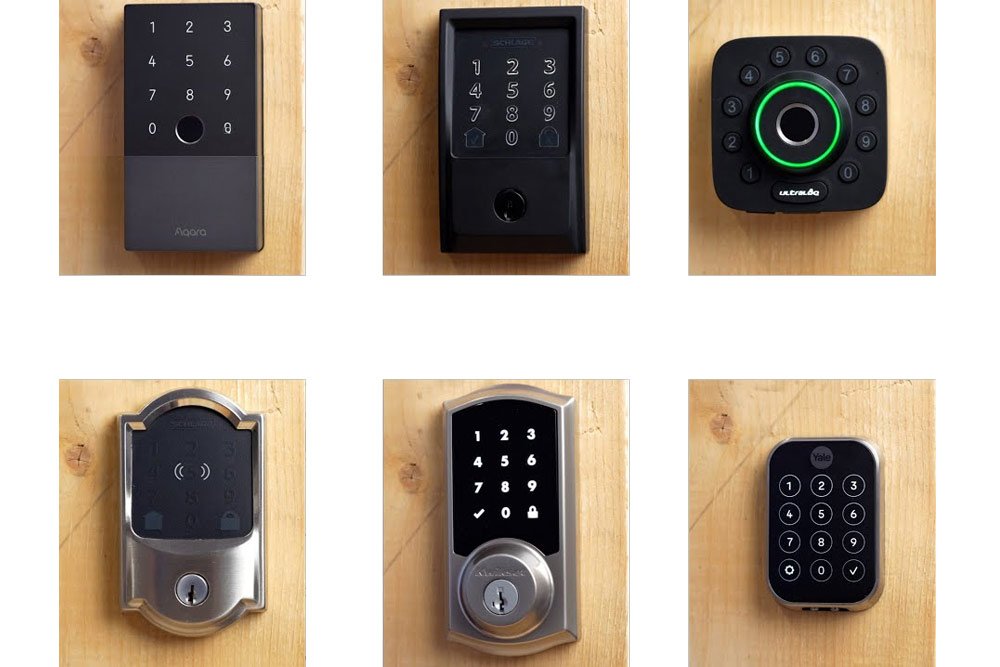
A smart lock is an electronic lock that allows keyless access and remote control using smartphones, voice commands, biometric scans, or access codes. Smart locks integrate with WiFi, Bluetooth, or smart home hubs.
Common smart lock features include:
- Keypad PIN entry
- Mobile app unlocking
- Access logs
- Remote locking and unlocking
- Integration with smart devices
- Digital guest keys
Some models even include fingerprint authentication or auto-locking based on door status.
Core Differences between Smart Locks and Traditional Locks
Even if both provide entry control, their approaches differ drastically.
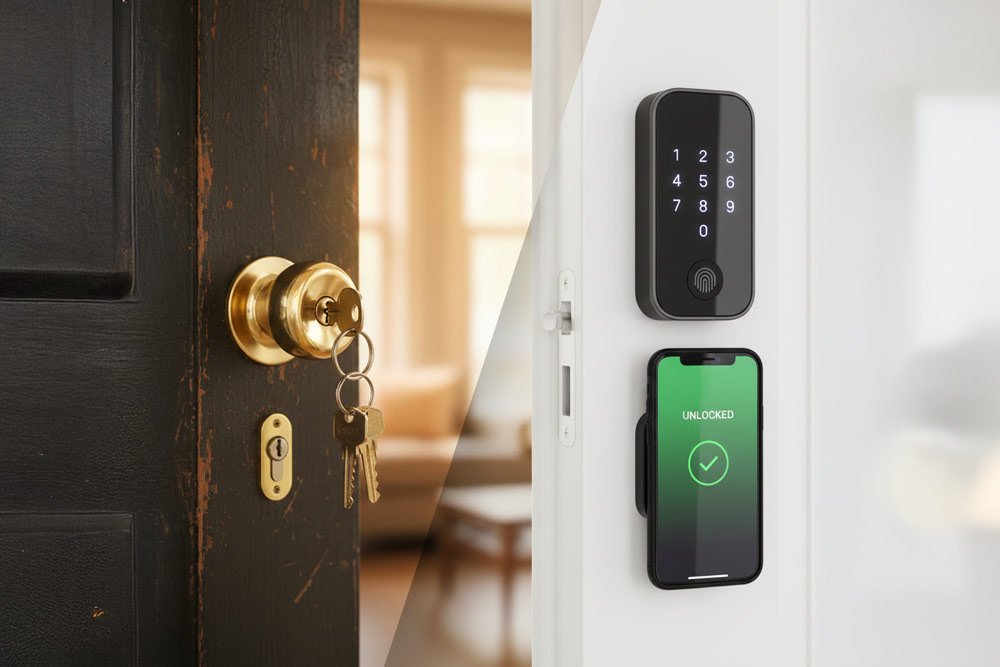
Access Method: Traditional locks require physical keys. Smart locks allow multiple access options.
Security Monitoring: Traditional locks offer no activity tracking. Smart locks show timestamps, access history, and alerts.
Locking Automation: Traditional locks require manual locking. Smart locks may auto-lock after a set time or door closure.
Backup Options: Traditional locks operate mechanically. Smart locks often include mechanical key backup.
Price: Traditional locks are inexpensive. Smart locks cost more upfront but may add property value.
These differences influence lifestyle, convenience, and household management.
How Smart Locks Work
Smart locks connect through:
- Bluetooth
- WiFi
- Zigbee
- Z Wave
- NFC
Once paired with a smartphone app, homeowners can:
- Program custom unlock codes
- Set expiration for temporary guests
- Receive alerts for entry attempts
- Monitor activity logs
Some models link with doorbell cameras, smart lighting systems, motion sensors, and home alarms.
For example, smart locks can:
- Turn on indoor lighting when unlocked
- Lock automatically at night
- Notify you when children arrive after school
- Allow family access when you travel
This changes the home security experience from manual to interactive and real-time.
Benefits of Smart Locks
Smart locks offer many advantages that traditional locks do not.
1. Convenience Without Keys: No need to worry about lost or stolen keys, spare keys, or locksmith visits for key cutting.
2. Remote Management: Unlock a door while away. This helps with rental guests, contractors, deliveries, cleaning service, or elderly parents.
3. Digital Access Logs: Know exactly when someone entered or exited.
4. Temporary or Scheduled Access: Great for Airbnb hosts, caregivers, babysitters, and home service providers.
5. Auto Locking: Doors lock automatically even if someone forgets.
6. Integration With Smart Home Systems
Works with:
- Amazon Alexa
- Google Assistant
- Apple HomeKit
- Smart security panels
Smart locks serve as part of a complete home automation strategy.
Benefits of Traditional Locks
Traditional locking systems remain widely preferred for valid reasons.
1. Low Upfront Cost: Hardware is affordable. Locksmith installation is simple and inexpensive.
2. Mechanical Reliability: No batteries, firmware errors, or digital glitches.
3. Less Risk of Digital Threat: No hacking risk.
4. Simple User Experience: Anyone can operate a keyed lock.
5. Longevity: Traditional locks last for years with minimal repair.
Drawbacks of Smart Locks
Every modern convenience comes with limitations.
1. Higher Purchase Price: Smart locks vary from moderate to premium pricing.
2. Battery Dependence: Low power may prevent operation until batteries are replaced.
3. Possible Hacking Risk: Cyber vulnerabilities depend on the manufacturer’s quality.
4. Requires Some Technical Setup: WiFi pairing, app configuration, and firmware updates may overwhelm non-technical users.
Drawbacks of Traditional Locks
Traditional hardware is familiar, but limitations remain.
1. Lost or Stolen Keys: Rekeying and replacing keys cost time and money.
2. No Tracking or Monitoring: No history of entry or exit.
3. Access Control Difficulty: To provide access, you must hand over physical keys.
4. No Remote Features: Cannot lock doors from outside the home.
Smart Locks vs Traditional Locks for Families
Families often juggle:
- Kids arriving from school
- Relatives visiting
- Babysitter schedules
Smart locks allow:
- Permanent digital keys
- Time-restricted codes
- Activity notifications
Parents receive alerts when children open the door. Also, no child misplaces keys.
Traditional locks require parents to copy keys or hide spares. This may increase security risks.
Smart Locks vs Traditional Locks for Landlords and Airbnb Hosts
Property owners benefit from digital access because keys no longer need to be physically exchanged.
Smart lock advantages for rental owners:
- Generate temporary codes for guests
- Automatically disable codes after checkout
- Monitor usage at any time
- Reduce key handoff stress
Traditional keys are manageable for long-term rentals but hard for short-term turnover.
Smart Locks Compared to Traditional Locks for Elderly Users
Older homeowners appreciate simplicity. Traditional locks are familiar. Yet, smart locks may help caregivers check if someone arrived safely. Smart locks with fingerprint access can eliminate the need for keys. Families can also unlock remotely.
Smart Locks vs Traditional Locks for Office Spaces
Smart systems improve business access control:
- Track employee entry
- Create access zones
- Limit time-based access
- Replace key cutting costs
Traditional keys work but offer no employee history log.
When Smart Locks Make Sense
Consider smart locks if you:
- Manage rental properties
- Rely on home services
- Travel frequently
- Prefer touchless access
- Like automation
- Have multiple household members
- Often lose keys
- Want real-time monitoring
Homes with smart security cameras benefit even more because both systems integrate easily.
When Traditional Locks Make Sense
Traditional systems fit perfectly if:
- You prefer zero technology
- The home is occupied full-time
- The budget is limited
- No need for remote access
- No frequent visitors enter when you are away
A properly installed, high-quality deadbolt remains a strong protection.
Pricing Comparison
Smart lock overall cost includes:
- Hardware purchase
- Installation
- WiFi bridge add-ons
- Battery replacements
Traditional lock costs include:
- Hardware purchase
- Rekeying if needed
- Installation
Estimated range:
- Smart lock: mid to premium pricing
- Traditional lock: low to moderate pricing
Smart locks cost more initially but may save money long term through controlled access.
Design Choices: Modern vs Classical Looks
Smart locks look modern with sleek finishes and illuminated touchpads.
Traditional locks come in bronze, chrome, matte brass, antique finishes, or classic knobs.
Homeowners who love modern design tend to choose smart systems.
People preserving historical interiors often choose traditional hardware for aesthetic harmony.
Which Option Offers Higher Security?
Security is influenced by product quality, not simply lock type. Smart locks provide alerts and digital monitoring. Traditional locks provide strong hardware reliability. The best security actually comes from combining both features: Smart digital access + high-grade deadbolt. This creates convenience and strength.
Smart Locks With Backup Keys
Many smart models include a hidden mechanical key access. The backup key:
- Prevents complete lockout
- Serves as emergency access
This lets homeowners enjoy technology without losing mechanical control.
Can Smart Locks Be Installed on Regular Doors?
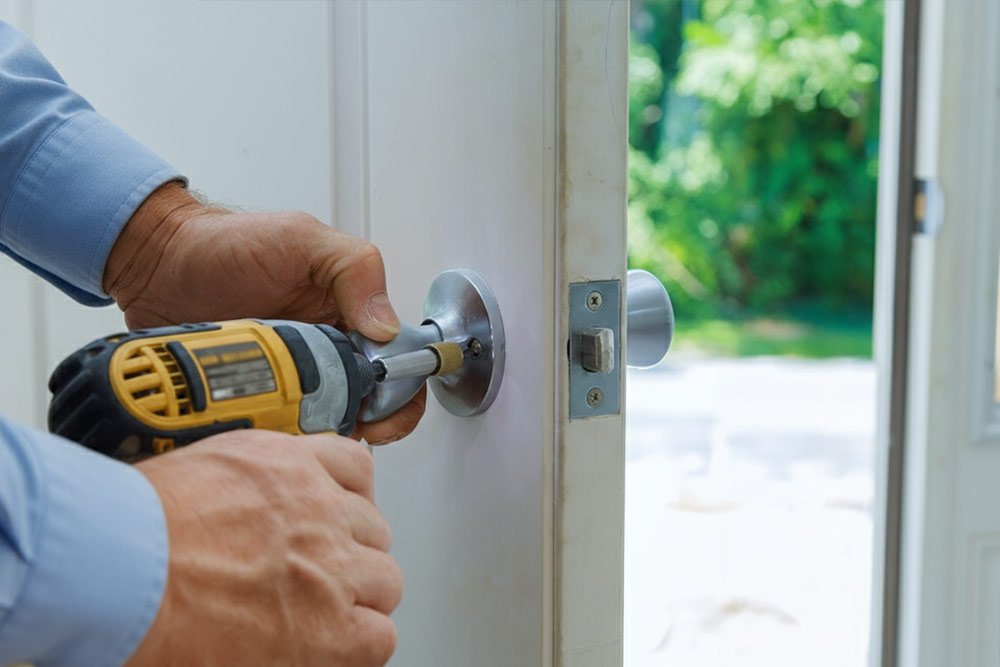
Most new models retrofit standard deadbolt holes. Installation is easy for those familiar with tools.
Professional installation is recommended if:
- The door frame is weak
- Deadbolt alignment is off
- Smart system requires pairing with other home devices
Many locksmiths offer installation, setup, and user training.
How Traditional Locks Perform in Weather Conditions
Traditional locks are strong against:
- Rain
- Humidity
- Temperature swings
Smart locks depend on power and internal circuitry. Some models are waterproof, others require protective housing. Cold weather may affect battery life.
Smart Locks vs Traditional Locks: Lifestyle Scenarios
Scenario 1: Parent with Teenagers
Smart lock: notification when teen arrives
Traditional lock: unknown arrival time
Scenario 2: Frequent Traveler
Smart lock: unlock remotely
Traditional lock: Leave a spare key
Scenario 3: Airbnb Hosting
Smart lock: guest code that expires
Traditional lock: high risk of duplicate keys
Scenario 4: Older Homeowners
Smart lock: can complicate usage
Traditional lock: easy, familiar, predictable
Smart Locks and Home Value
Smart security devices make listings more attractive. Realtors often highlight:
- Smart door locks
- Video surveillance
- Smart thermostats
- Automated lighting
Buyers may be willing to pay extra for modern convenience.
Traditional locks add no unique selling point.
Keeping Smart Locks Secure
To keep digital systems safe:
- Update firmware
- Use strong code combinations
- Enable two-factor app authentication
- Change access codes regularly
Security depends largely on user behavior.
Final Comparison Table
| Feature | Smart Locks | Traditional Locks |
|---|---|---|
| Unlocking Method | Digital codes, phone, biometrics | Physical key |
| Remote Access | Available | Not available |
| Access Logs | Available | Not available |
| Price | Mid to high | Low |
| Setup Difficulty | Medium | Low |
| Battery Requirement | Yes | No |
| Guest Access | Time-based and digital | Spare key needed |
| Security Monitoring | Active | Passive |
Conclusion: Smart Locks vs Traditional Locks Final Decision
The debate between smart locks vs traditional locks is about lifestyle fit. A smart lock makes life easier when you have visitors often, manage access remotely, or want monitoring technology. Traditional locks offer reliable simplicity without technical complications. Smart locks fit busy schedules, rentals, tech-savvy homeowners, and families who value digital coordination. Traditional locks suit budget-minded individuals, people who prefer physical control, and homes where access rarely changes.
In some cases, combining both choices delivers the best result. A keypad smart system with an integrated high security deadbolt provides top convenience and maximum entry protection. Choosing wisely allows you to build a safer living environment that matches how you move through daily life. Whether smart or traditional, the most important factor is proper installation by Master of Locks Locksmith services, reliable lock quality, and responsible usage