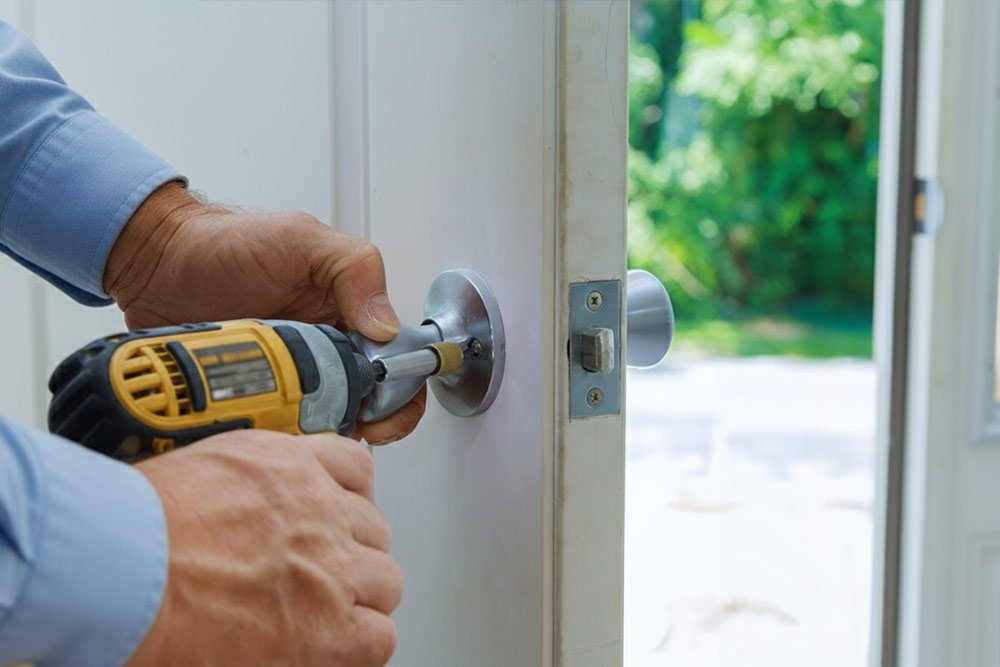
Locks play a critical role in our daily lives. They protect our homes, offices, and vehicles, providing security and peace of mind. However, locks can sometimes fail, leaving us locked out, frustrated, and even vulnerable. Jammed or frozen locks are common problems that can occur due to mechanical failure, weather conditions, or lack of maintenance. In these situations, calling a professional locksmith for a jammed lock can save time, prevent damage, and restore access safely.
This comprehensive guide will cover everything you need to know about jammed and frozen locks, including causes, signs, DIY measures, professional solutions, preventative tips, real-life examples, FAQs, and how to choose the right locksmith.
Understanding Jammed and Frozen Locks: Locksmith for Jammed Lock Insights
Before you attempt any solution, it’s important to understand the nature of the problem. Jammed and frozen locks both result in restricted access, but they occur for different reasons.
What Causes a Jammed Lock?
A jammed lock happens when the internal mechanism of the lock is obstructed, preventing the key or latch from moving. Common causes include:
- Debris or dirt accumulation: Dust, dirt, sand, or small particles can enter the lock cylinder and block the pins or mechanism.
- Worn or damaged keys: Over time, keys can bend, wear down, or become misaligned with the pins inside the lock.
- Misaligned doors or frames: Weather changes, humidity, and foundation shifts can cause the door to move, making the lock hard to operate.
- Mechanical failure: Springs, pins, or tumblers inside the lock may wear out or break, causing jamming.
- Improper installation: Locks that are not installed correctly can misalign, creating jams over time.
What Causes a Frozen Lock?
Frozen locks are most common in cold weather and are usually caused by moisture freezing inside the lock. Key contributors include:
- Low temperatures: Any moisture inside a lock can freeze when temperatures drop, causing the key to stick.
- Humidity and condensation: Moisture can accumulate inside a lock from rain, snow, or high humidity and then freeze.
- Exposure to elements: Exterior locks are more vulnerable, especially if they are poorly protected.
- Improper drainage or door seals: If water seeps into the lock, it can freeze overnight.
Understanding the cause is crucial for applying the correct solution. While some jammed locks may be fixed with simple DIY measures, frozen locks often require professional intervention to prevent damage.
Signs You Need a Locksmith for a Jammed Lock
Sometimes you can fix a lock yourself. But often, calling a locksmith is the safest and fastest option. Knowing when to call a professional can save you time and prevent further damage. Here are signs that you need a locksmith for a jammed lock:
- The key won’t turn or feels stiff
- The key gets stuck partially in the lock
- Grinding, snapping, or unusual resistance when turning the key
- Lock freezes during cold weather
- Broken key inside the lock
- Frequent recurring lock issues
A professional locksmith can diagnose the exact problem, whether it’s mechanical, debris-related, or caused by freezing, and fix it without causing further damage. Ignoring these signs or attempting to force the lock can cause permanent damage, necessitating a full replacement.
DIY Measures vs. Professional Locksmith Solutions
While some temporary DIY solutions exist, relying solely on them can cause more harm than good. Let’s explore both approaches.
DIY Methods
- Lubrication: Graphite powder or silicone-based lubricant can help loosen jammed pins. Avoid oil-based lubricants as they attract dust.
- Warming Frozen Locks: Using a hair dryer or warm water can melt ice inside a frozen lock.
- Key Wiggle Technique: Gently moving the key up and down while applying slight pressure may free a jammed lock.
While these methods can provide a temporary fix, they often don’t address the underlying issue. Persistent jamming or freezing usually requires a professional solution.
Professional Locksmith Services
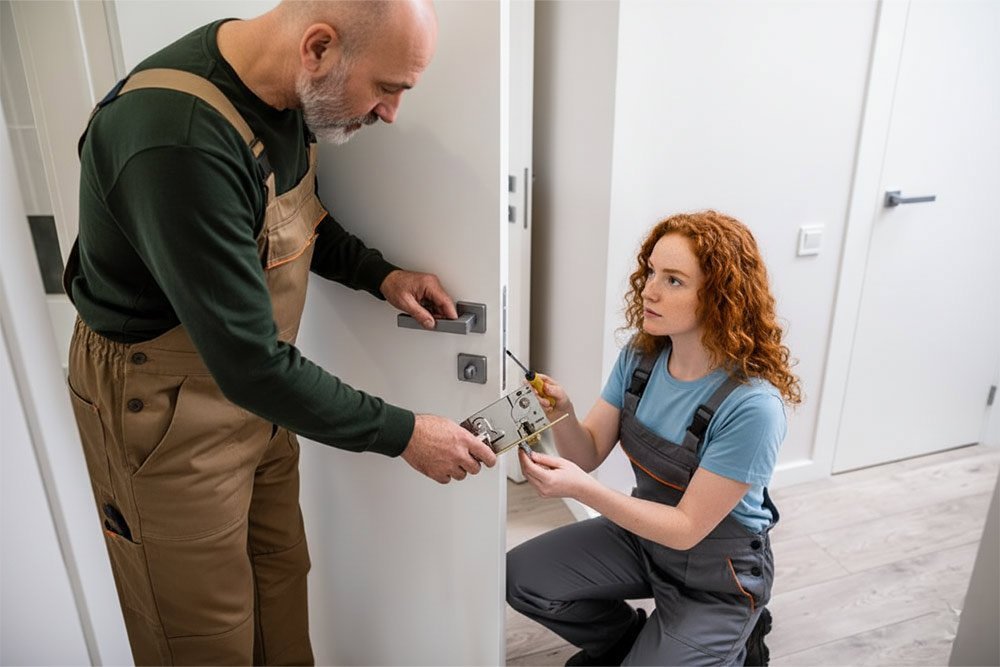
A skilled locksmith for a jammed lock can offer the following:
- Precise diagnosis: Identifying whether the jam is due to misalignment, mechanical failure, or ice.
- Safe removal: Extracting broken keys or dislodging stuck pins without damaging the lock.
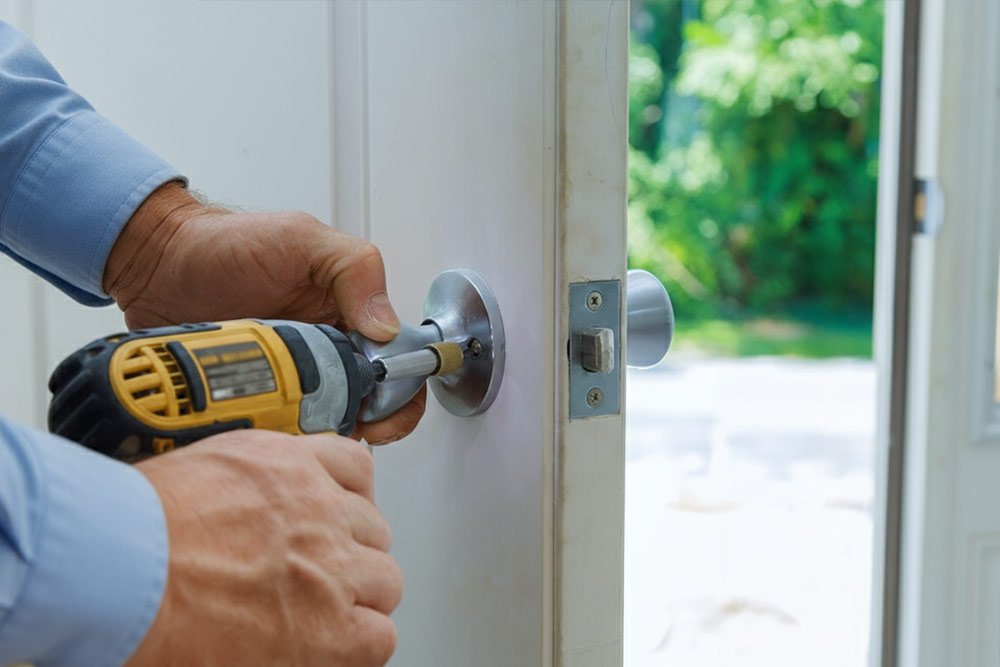
- Lock repair or replacement: Replacing worn-out pins, springs, or entire locks if necessary.
- Weatherproofing: Installing frost-resistant locks or sealants to prevent future freezing.
Professional locksmiths have the tools and expertise to resolve the issue quickly, avoiding costly damage to doors or locks.
Why Professional Locksmith Solutions Are Better
A skilled locksmith for a jammed lock can provide long-term solutions, using the right tools and techniques:
- Accurate Diagnosis: Identify whether the jam is caused by debris, mechanical failure, misalignment, or freezing.
- Safe key extraction: Professionals can remove broken keys without damaging the lock.
- Lock repair or replacement: Replace worn pins, springs, or entire cylinders.
- Weatherproofing: Install frost-resistant locks or protective covers to prevent freezing.
- Emergency services: Provide quick access for homes, offices, and vehicles.
Locksmiths have the experience and tools to handle stubborn jams that could easily be damaged by DIY attempts.
Common Lock Problems and How Locksmiths Solve Them
Let’s look at specific scenarios and the solutions locksmiths provide.
1. Jammed Door Lock
A door lock can jam due to debris, rust, or misalignment. A locksmith will:
- Inspect the door frame and lock alignment
- Clean and lubricate the internal components
- Replace damaged pins or springs if necessary
- Test functionality to ensure smooth operation
2. Frozen Outdoor Lock
Outdoor locks are especially prone to freezing in cold weather. Locksmiths can:
- Use specialized lock de-icing tools
- Apply frost-resistant lubricants
- Recommend lock covers or protective barriers
- Replace the lock with a weatherproof model if freezing is frequent
3. Vehicle Lock Jam
Car locks can jam due to worn keys, frozen components, or internal mechanical issues. A professional locksmith will:
- Safely extract broken keys
- Repair or replace the cylinder
- Use tools that minimize scratches or body damage
- Provide advice on preventing future jams
4. Commercial Lock Jam
Office and commercial buildings often have high-security locks, which can jam due to heavy usage. Locksmiths provide:
- Scheduled maintenance programs
- Rapid emergency response to avoid business disruption
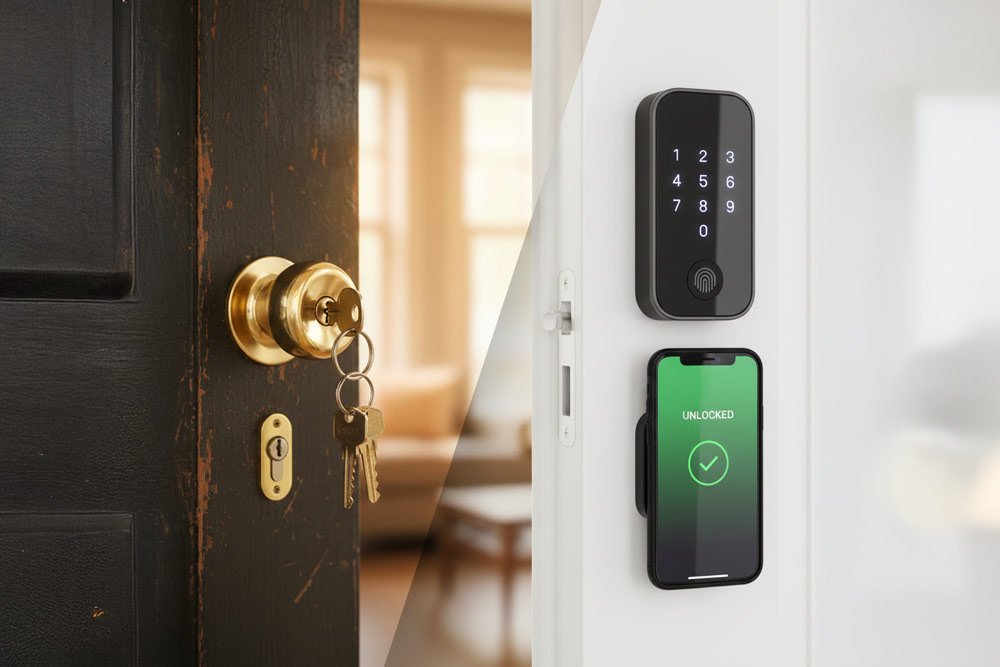
- Installation of high-security or smart locks that reduce jamming risks
Preventative Measures to Avoid Jammed or Frozen Locks
Prevention is always better than cure. Simple steps can minimize lock jams and freezing:
- Regular Lubrication: Apply graphite powder or silicone-based lubricants every few months.
- Inspect for Wear: Check keys and locks for signs of damage, replacing worn keys promptly.
- Weatherproof Outdoor Locks: Use covers, sealants, or frost-resistant locks to prevent ice buildup.
- Proper Alignment: Ensure doors and frames are properly aligned to reduce mechanical strain on locks.
- Professional Maintenance: Schedule periodic inspections by a locksmith to catch minor issues before they escalate.
Implementing these measures reduces emergency locksmith visits and prolongs the life of your locks.
Emergency Locksmith for Jammed Lock Services: Why They Matter
When a lock jams or freezes at an inconvenient time, emergency locksmith services become invaluable.
- 24/7 Availability: Locksmiths for jammed lock emergencies are available day or night.
- Fast Response: Professionals can arrive quickly to prevent extended lockouts.
- Safety Assurance: Attempting forceful entry can damage doors and compromise security.
- Specialized Tools: Emergency locksmiths have the right tools to handle jammed, frozen, or broken locks efficiently.
Whether it’s a residential, commercial, or automotive lock, professional assistance ensures safe and reliable access.
How to Choose the Right Locksmith for Jammed Lock
Not all locksmiths are equal. Consider these factors:
- Experience: Years of hands-on experience with residential, commercial, and vehicle locks.
- Licensing and insurance: Ensures legal and financial protection.
- Customer reviews: Positive feedback indicates reliability.
- Range of services: Should handle different lock types and emergency situations.
- Response time: Quick, reliable service is crucial during emergencies.
The Cost of Locksmith Services for Jammed Locks
Costs can vary depending on the complexity of the problem and the type of lock. Typical factors include:
- Type of lock: Standard locks are generally less expensive to repair than high-security or smart locks.
- Nature of the jam: Simple debris removal may cost less, while mechanical failures or replacements cost more.
- Emergency services: After-hours calls or urgent response may incur additional fees.
- Location: Prices may vary based on local demand and accessibility.
Investing in professional service is cost-effective in the long run, as DIY attempts often worsen the problem, leading to higher repair or replacement costs.
Real-Life Case Studies
- Case Study 1: Residential Frozen Lock: A homeowner called a locksmith after being unable to enter their front door during a cold winter morning. The locksmith used a de-icing solution, applied lubricant, and installed a protective cover. The lock worked immediately, and future freezes were prevented.
- Case Study 2: Office Jammed Lock: A busy office experienced a jammed lock on a frequently used conference room. The locksmith identified worn pins, replaced them, and performed full lubrication. Productivity returned immediately, and scheduled maintenance reduced future incidents.
- Case Study 3: Vehicle Lock Jam: A driver lost a key inside a frozen car lock. A locksmith for jammed lock emergencies safely extracted the broken key, repaired the cylinder, and provided advice for protecting the car lock against cold-weather damage.
FAQs
Q: Can I fix a jammed lock myself?
A: Minor jams can sometimes be fixed with lubrication and gentle key wiggling, but repeated issues require professional repair.
Q: What causes locks to freeze?
A: Moisture inside the lock freezes in cold weather. Poor insulation and condensation worsen the problem.
Q: How do I prevent my locks from freezing?
A: Lubricate regularly, use frost-resistant locks, protect outdoor locks, and maintain door seals.
Q: How quickly can a locksmith arrive?
A: Many locksmiths offer 24/7 emergency services, often arriving within 30–60 minutes, depending on your location.
Jammed and frozen locks are more than just inconveniences; they pose security risks and potential damage if not handled properly. While DIY solutions may offer temporary relief, professional locksmiths for jammed lock emergencies provide permanent, safe, and efficient solutions.
By understanding the causes, recognizing warning signs, implementing preventative measures, and choosing an experienced locksmith, you can ensure your locks function smoothly year-round. Don’t compromise your safety; rely on Master of Locks Locksmith Services whenever you face a jammed or frozen lock for expert, reliable assistance.